
The Best Truly Passive Businesses (Ranked From Least to Most Work)
When people talk about “passive income,” the conversation often gets polluted with hustle-culture nonsense. You know the type—“Just start a dropshipping store and outsource everything!” or “Real estate is passive if you hire a property manager!” The truth is simple: very few businesses are truly passive. Almost every income stream requires some combination of setup, oversight, maintenance, or reinvestment.
Some business models come close—far closer than the typical online advice lets on. Below we rank the best business types that actually get close to passive, meaning that after setup they require minimal ongoing work while continuing to generate reliable cash flow.
Ranking Criteria
- Initial effort required
- Operational complexity once stable
- Failure points that force active involvement
- Capital requirements for passivity
- Time to become hands-off
- Revenue predictability
10. Affiliate Content Websites

Affiliate sites can be extremely passive once rankings stabilize, but the setup phase is where the bulk of the work happens. You’re researching keywords, writing articles, building topical authority, and securing backlinks. Once traffic becomes predictable, you shift into a maintenance role: updating outdated posts, ensuring affiliate links remain active, and improving posts that start slipping in rankings. Many owners eventually hire writers and editors to eliminate even the periodic involvement.
Most successful affiliate operators follow a content lifecycle: publish, let posts mature, update winners, prune losers, and scale based on what’s working. The passivity depends heavily on niche selection—evergreen industries like home improvement, SaaS, and consumer tech tend to stay stable and require minimal rework over time.
9. ATM Routes
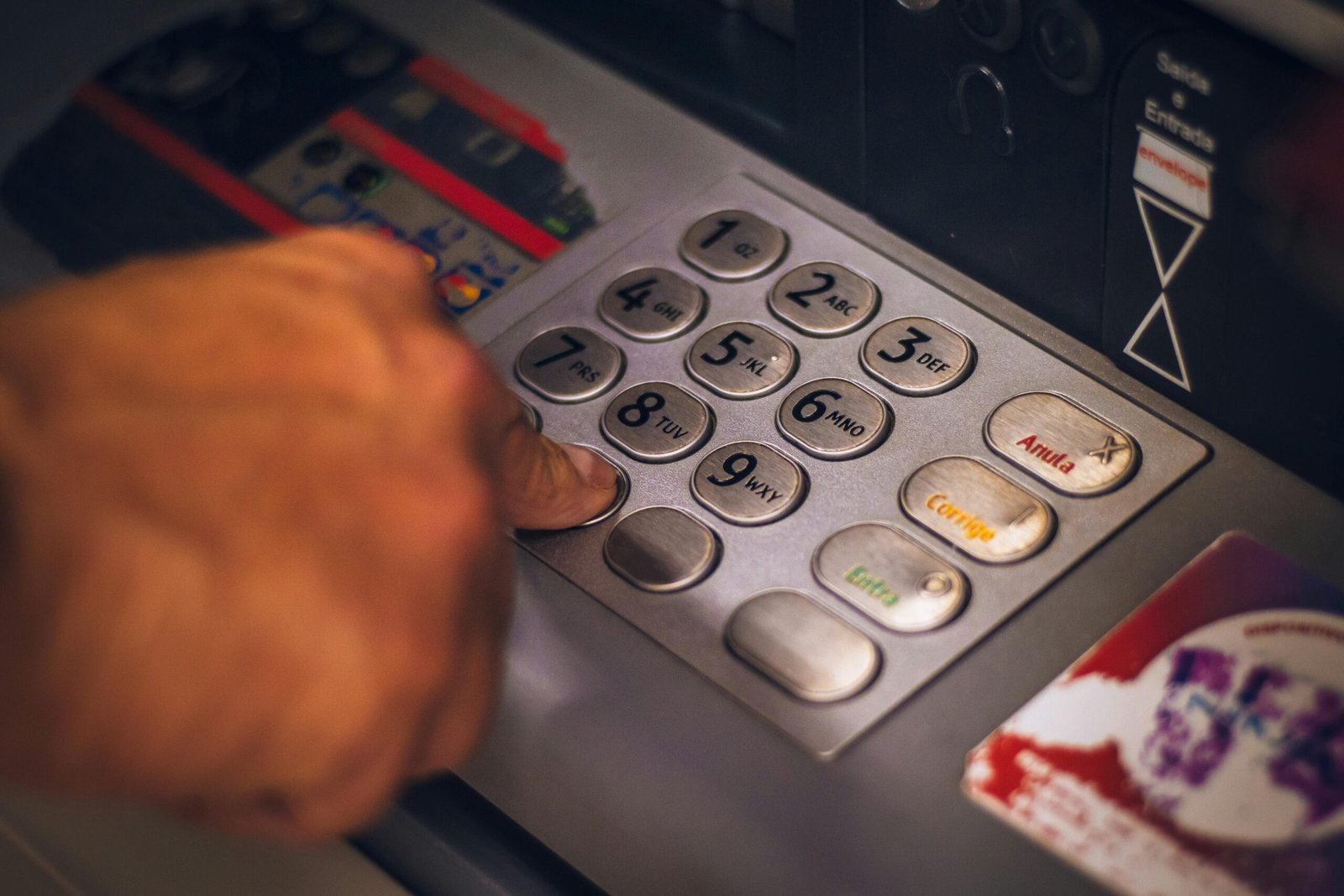
ATMs operate on transaction volume, making location the single biggest success factor. After placing machines in bars, corner stores, nightclubs, or cash-heavy small businesses, the work mostly revolves around cash loading and occasional troubleshooting. Many owners outsource loading entirely by partnering with armored car services, turning the operation into a check-collecting machine.
Repairs are rare but predictable—card readers, receipt printers, and bill acceptors have life cycles measured in years. Modern ATMs allow remote monitoring of cash levels and errors, reducing site visits and making it possible to run a multi-location ATM fleet with minimal oversight.
8. Laundromats
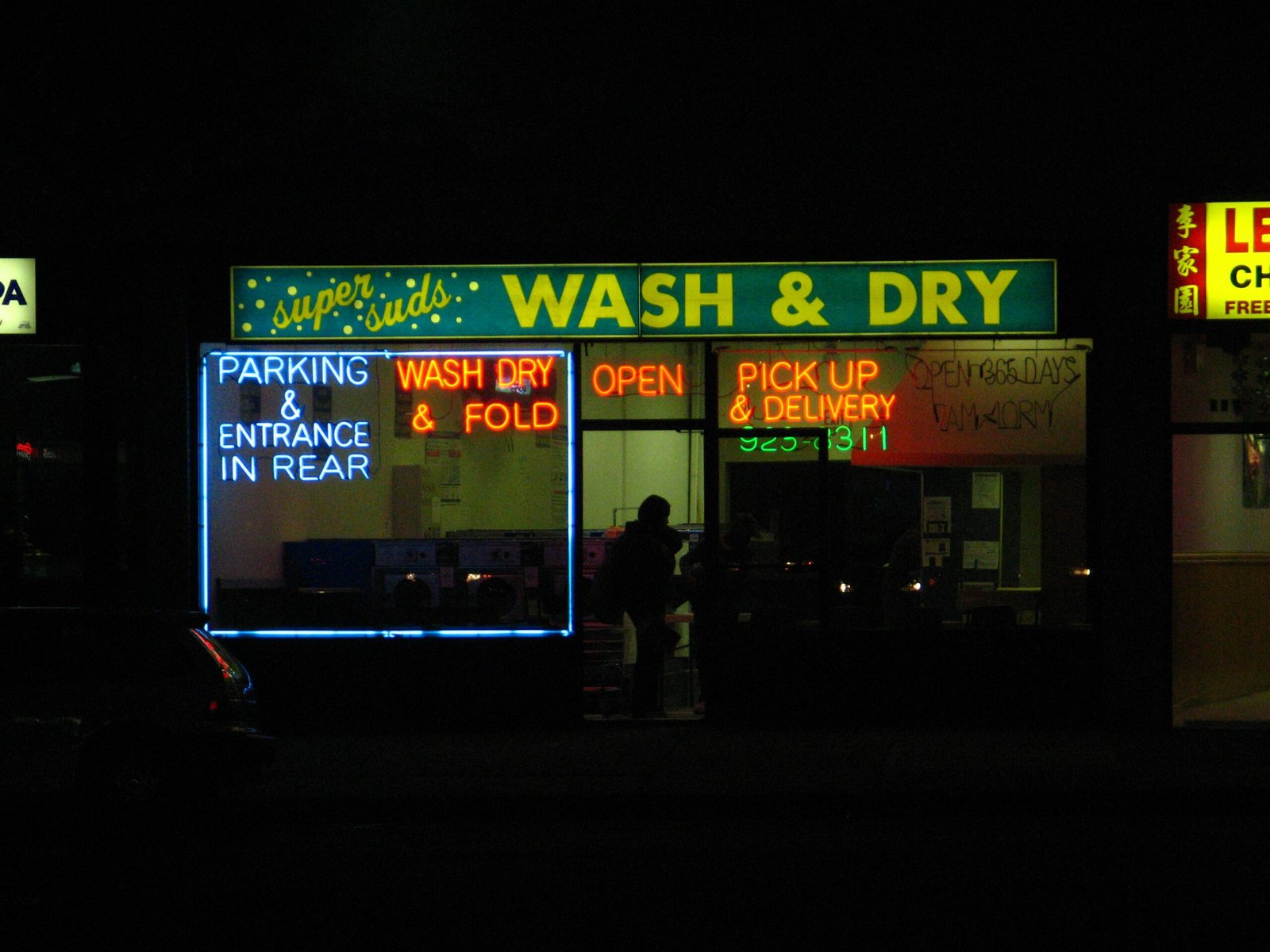
A well-run laundromat can be shockingly passive, especially newer builds with cashless systems and remote analytics dashboards. Much of the work revolves around maintaining uptime—keeping washers and dryers functional, ensuring the place stays clean, and restocking detergent vending machines. Many owners hire attendants or cleaning crews so they rarely visit the property.
The real passivity comes from automation. Digital payment kiosks track revenue, monitor machine usage, and alert you to equipment errors instantly. Owners who outsource repairs, cleaning, and wash-and-fold operations effectively convert the laundromat into a semi-absentee business with strong recurring revenue and low customer interaction.
7. Rental Real Estate (with Property Management)
Long-term rentals become significantly more passive after the first year, once stable tenants are in place. With a property manager handling leasing, repairs, inspections, and tenant communication, your monthly involvement often drops to approving larger expenses and reviewing financial statements. Automated rent collection further reduces manual work.
The passivity improves as you scale. Owners with multiple units typically create streamlined communication systems with managers and adopt property management portals that consolidate reporting. The biggest risk to passivity comes from poor property managers—choosing the right one matters more than location or property type.
6. Vending Machines

Vending machines generate passive revenue by selling small-ticket items in high-traffic environments. To reach true passivity, owners outsource restocking, maintenance, and route management to contractors. This turns a normally active business into a recurring revenue stream requiring only data review and occasional negotiations with location owners.
Location selection is the make-or-break variable. Gyms, apartment complexes, schools, and offices offer consistent traffic with minimal machine abuse. Many owners automate inventory forecasting through remote monitoring systems that report sales in real time and optimize stocking schedules.
5. Billboard Rentals
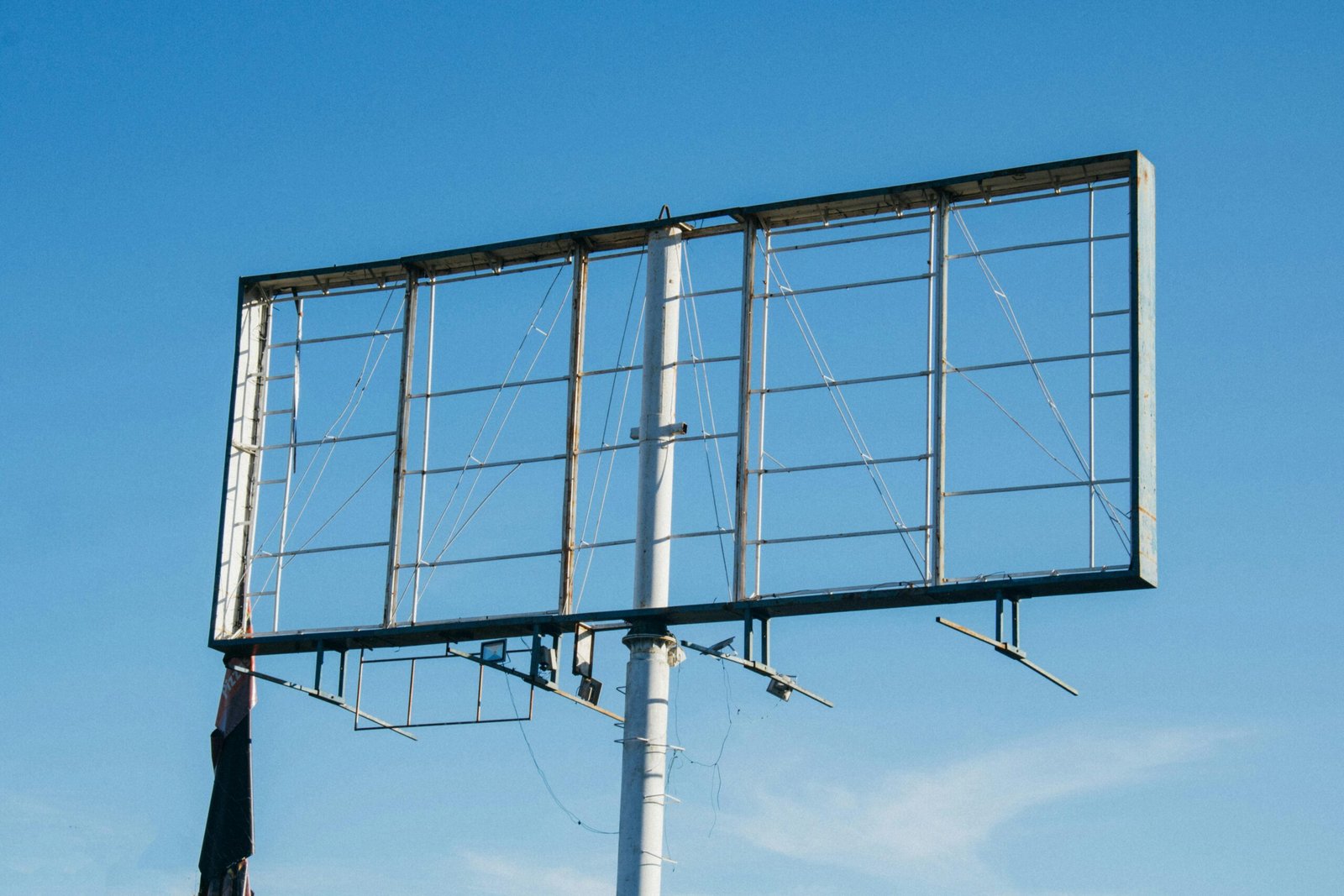
Billboards are one of the closest things to a set-and-forget business. Once a tenant signs a contract—often 12 to 36 months long—you simply collect monthly rent. For static billboards, maintenance is limited to occasional lighting replacements or weather-related repairs. Digital billboards require more oversight but command higher rents.
The business model scales extremely well. Owners with a handful of strategically placed boards often partner with advertising agencies who sell placements on their behalf, eliminating all marketing work. The biggest challenge is zoning, which can be complex and highly regulated depending on your city.
4. Storage Units

Self-storage facilities have become one of the most attractive passive business models because they combine automation with low customer interaction. Digital gate access, auto-billing, and online leasing eliminate most manual processes. A part-time attendant or outsourced maintenance tech can handle the physical tasks.
The business thrives on predictable demand—people always need temporary storage due to moves, downsizing, and life transitions. Operators who implement strict systems for delinquency, auctions, and customer communication often run facilities remotely with minimal weekly involvement.
3. Peer-to-Peer Lending (Automated Platforms)

Peer-to-peer lending platforms allow investors to distribute capital across large pools of borrowers automatically. Once you deposit funds and set risk preferences, the platform handles underwriting, risk scoring, loan issuance, repayment collection, and reinvestment. This makes it one of the most passive financial instruments outside of index funds.
The risk profile depends heavily on borrower quality and platform stability. During economic downturns, default rates rise, reducing returns. However, investors who diversify broadly and automate reinvestment still achieve consistent yields with virtually no hands-on work.
2. Dividend Stocks

Dividend investing is a long-term strategy built on holding high-quality companies that distribute a portion of profits to shareholders. Once your portfolio is constructed, the work involves periodic rebalancing, tax reporting, and monitoring dividend announcements. Many investors automate the entire process with DRIP (Dividend Reinvestment Plans).
Passivity improves dramatically when investing in dividend ETFs or funds, which diversify across hundreds of companies and minimize the risk of individual cuts. High-yield portfolios require more scrutiny, but blue-chip dividend payers often provide stable, predictable income with minimal involvement.
1. Land Leasing (Billboards, Cell Towers, Parking Lots, Solar)

Land leasing is the closest thing to real passivity because the tenant is responsible for almost everything. Whether it’s a billboard company, a cell tower operator, a solar developer, or a parking operator, lease terms often span 10–30 years with built-in increases. Once the contract is signed, your job is essentially to cash checks.
The model requires minimal oversight, though due diligence is critical upfront. Location, zoning, and access determine whether your land is attractive to high-value tenants. When structured correctly, land leases create generational cash flow with virtually no operational work.
Conclusion
Passivity is purchased through capital and secured through smart systems. The more you automate, outsource, or eliminate, the closer a business gets to producing money without your involvement. Start with models that minimize operational friction, and use systems to turn semi-passive setups into nearly hands-off machines.